


Asian-Owned Jewelry Brands to Know: Culture, Heritage & Design
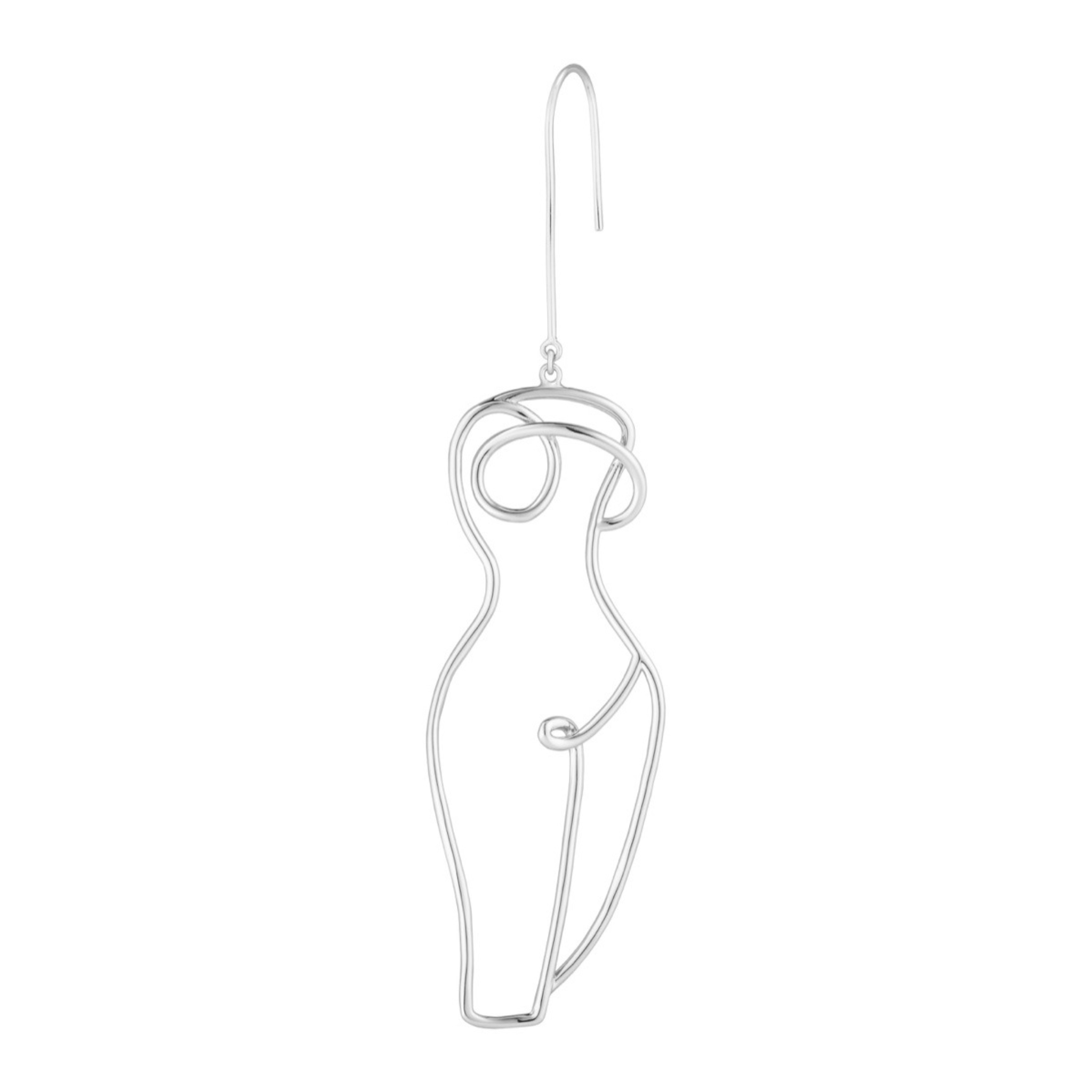
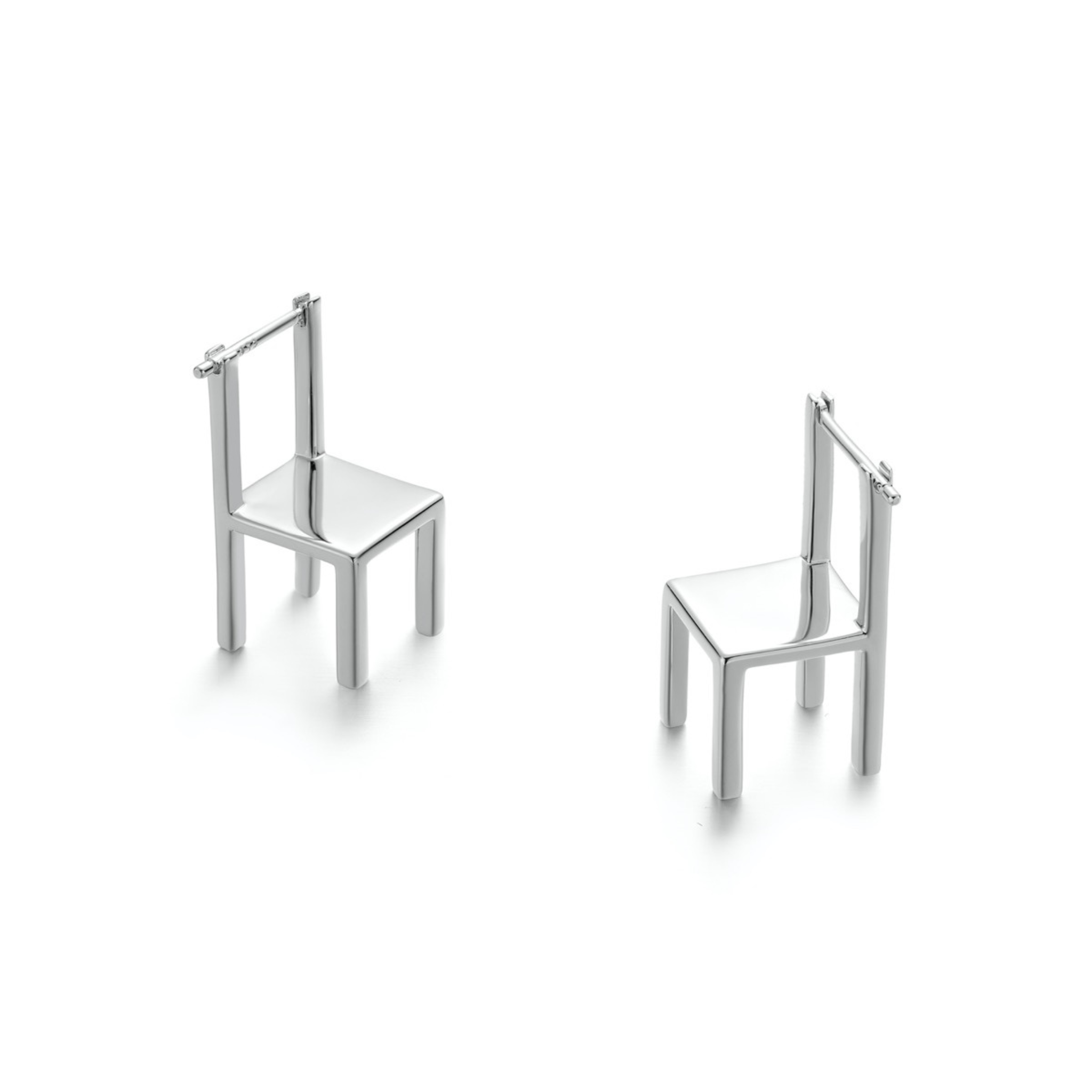
The Asian-owned jewelry movement is reshaping the industry. Asian designers are creating pieces that carry cultural heritage — jade, symbolism, craftsmanship — in modern, wearable forms. Here are the Asian-owned jewelry brands you should know, and what makes each one special.
Why Asian-Owned Jewelry Brands Matter
For decades, the jewelry industry was dominated by Western aesthetics — European luxury houses, American mass-market brands, and a narrow definition of what "fine jewelry" looks like. Asian-owned brands are changing that.
These brands bring something different: cultural depth. Jade symbolism that stretches back 5,000 years. craftsmanship traditions passed through generations. Stories that connect the wearer to something bigger than fashion.
When you support an Asian-owned jewelry brand, you're not just buying a piece of jewelry. You're supporting cultural representation in an industry that hasn't always made space for it.
Asian-Owned Jewelry Brands to Know
Amoy Jewelry — Chinese Cultural Jade Jewelry
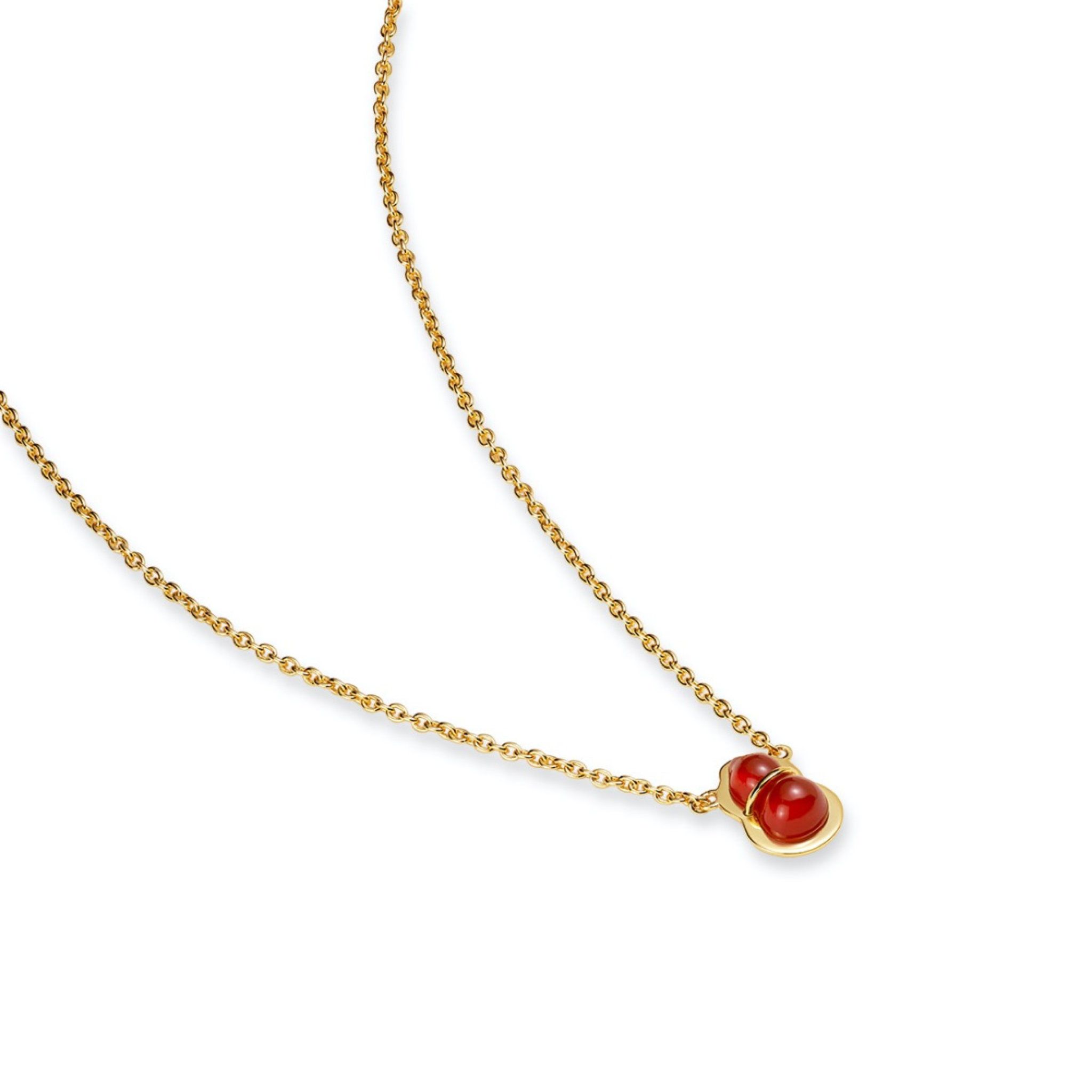
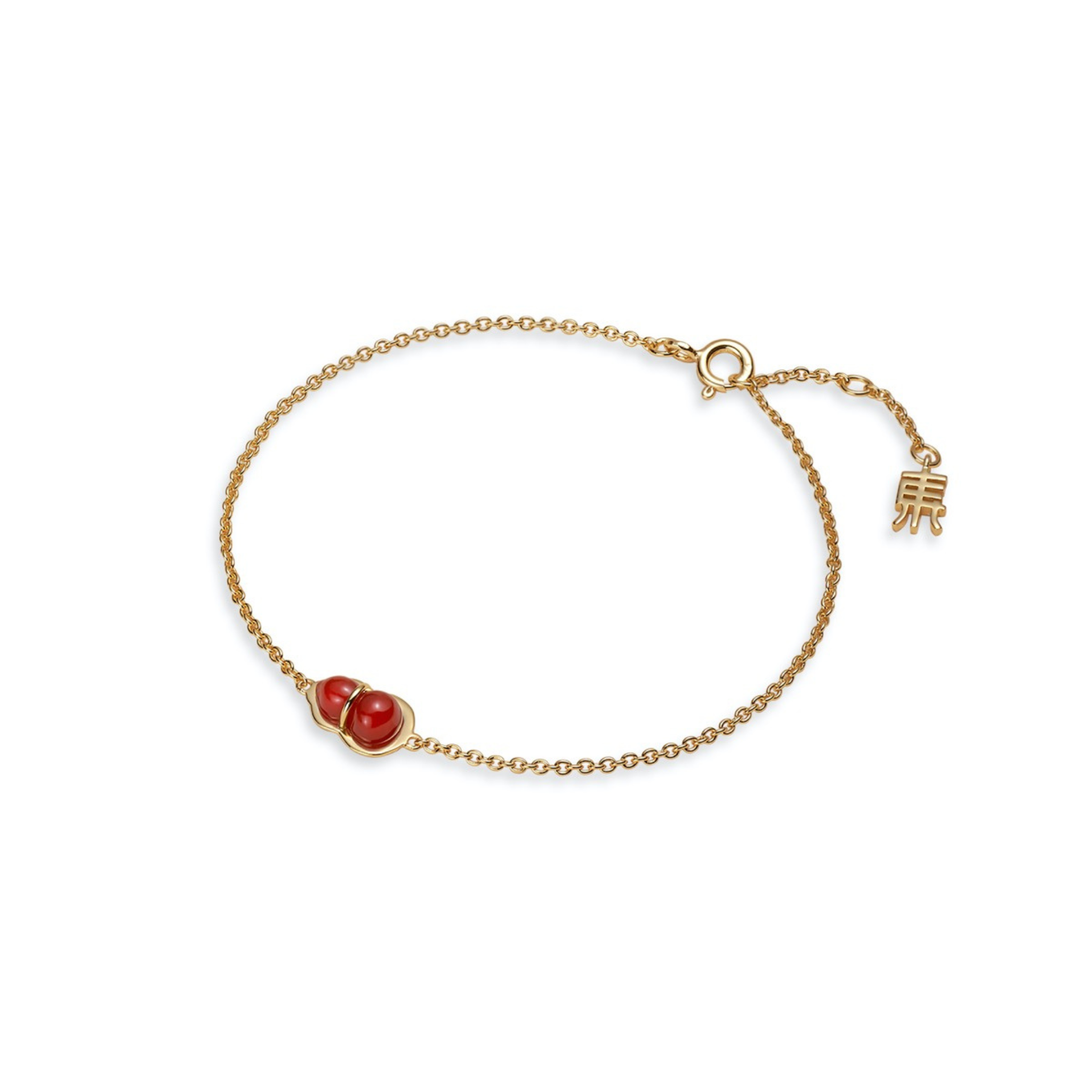
Founded by Sol and Wen, graduates of the Guangzhou Academy of Fine Arts, Amoy Jewelry creates pieces that reimagine Chinese cultural symbols in modern, minimalist designs. The Hulu Collection features jade gourd pendants — the Hulu (葫芦) symbolizes fortune and protection in Chinese culture.
What makes Amoy special: Each piece carries a specific cultural meaning. The Hulu gourd has been worn for 3,000 years as a talisman — and Amoy makes it feel modern, not like a museum piece. Prices range from $91-$156, making cultural jewelry accessible without compromising on materials (sterling silver, gold vermeil, genuine jade).
Qeelin — Chinese Luxury Jewelry
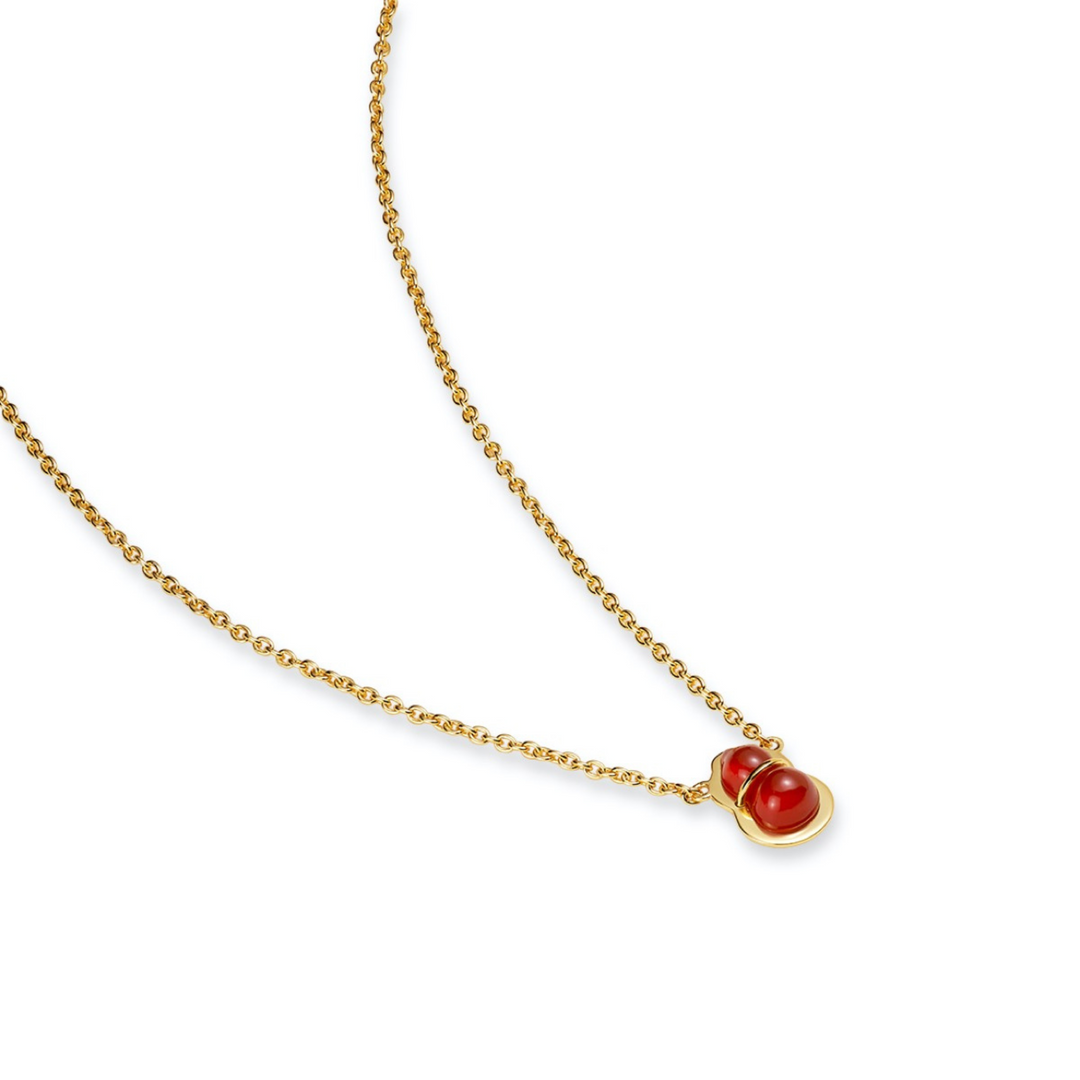
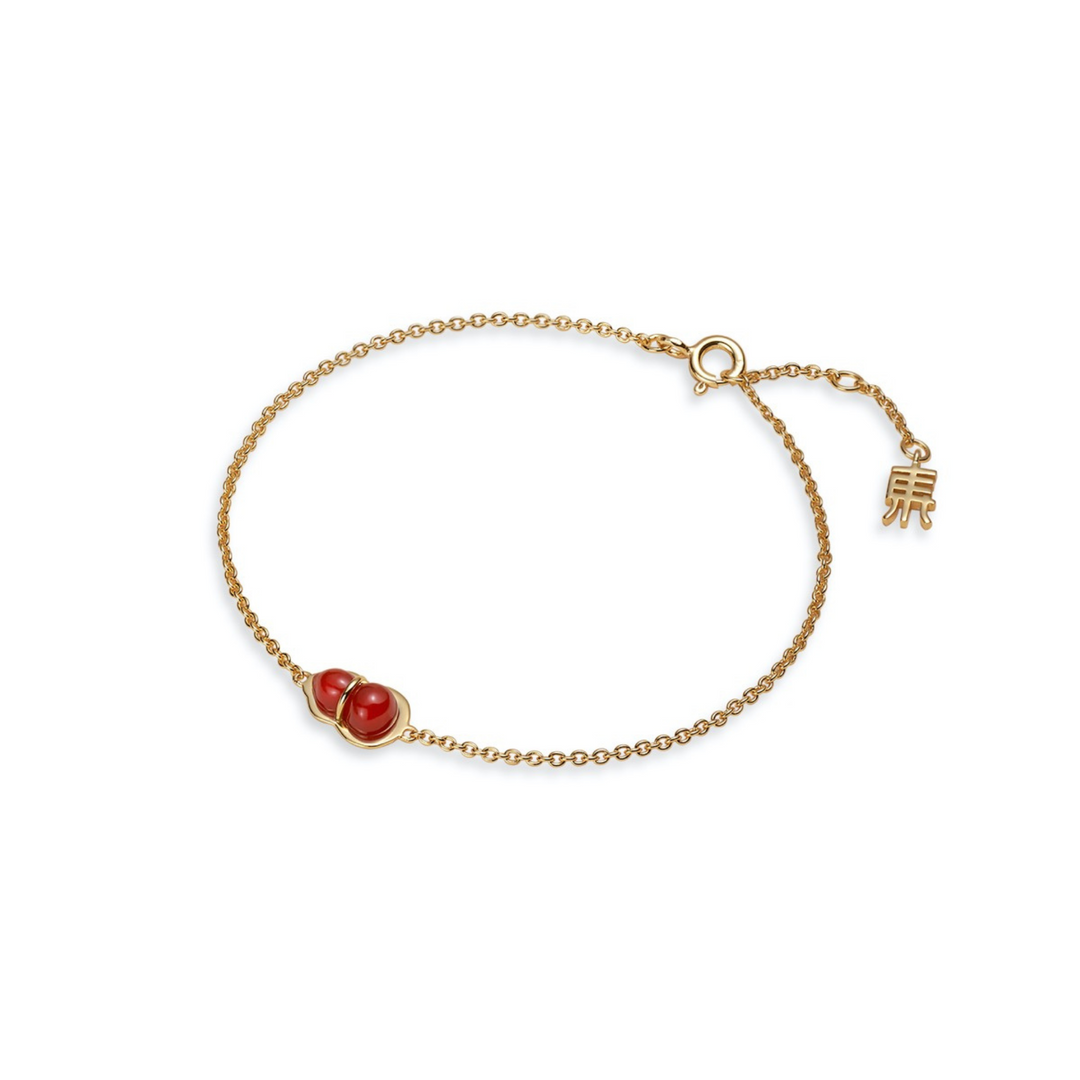
Qeelin is a Chinese luxury jewelry house founded by Dennis Chan in 2004. The brand is known for its Wulu (gourd) motif — a modern interpretation of the Chinese Hulu symbol. Qeelin's pieces are playful, luxurious, and deeply rooted in Chinese culture. The Bo Bo panda collection is their most recognizable — a panda charm that's become a celebrity favorite.
What makes Qeelin special: They've made Chinese symbolism feel cool and modern — not traditional or stuffy. Prices range from $500-$10,000+.
Mejuri — Fine Everyday Jewelry
Mejuri was founded by Noura Sakkijha, a Jordanian-Canadian woman, with the mission of making fine jewelry accessible. While not exclusively Asian, Mejuri has become popular among Asian women for its minimalist, stackable aesthetic — delicate gold chains, small gemstones, and everyday wearability.
What makes Mejuri special: They've redefined "fine jewelry" as something you wear every day, not just for special occasions. Prices range from $50-$500.
Chow Tai Fook — Heritage Jade Jewelry
Chow Tai Fook is the largest jewelry brand in China, founded in 1929. They're the gold standard for jade jewelry in Asia — with the most extensive jade collection and the highest quality grading. Their pieces range from traditional jade bangles to modern jade pendants with gold accents.
What makes CTF special: They've been making jade jewelry for nearly 100 years. Their quality grading is the industry standard. Prices range from $200-$100,000+.
En route Jewelry — Indian-American Fine Jewelry
En route Jewelry was founded by an Indian-American designer who creates pieces inspired by both Indian heritage and modern American style. Think gold chains with tiny Indian-inspired charms, and pieces that blend East and West seamlessly.
What makes En route special: The pieces feel like they belong in both Mumbai and New York — cultural without being costume-y.
What to Look for in Asian-Owned Jewelry Brands
Not all "Asian-inspired" jewelry is authentic. Here's how to tell the difference between genuine cultural jewelry and cultural appropriation:
- Founded by Asian creators: Look for brands founded by people from the culture they represent. The founders should understand the meaning behind the symbols they're using.
- Authentic materials: Real jade (not glass or resin), real gold (not plated brass), real silver. Cultural jewelry should use quality materials — not just borrow the aesthetic.
- Cultural knowledge: The brand should be able to explain what each symbol means and where it comes from. If they can't, it's probably just decoration.
- Respectful design: The designs should honor the culture, not stereotype it. Modern interpretations are fine — caricatures are not.
- Community: Does the brand support Asian artists, communities, or causes? Authentic brands usually do.
The Amoy Approach to Cultural Jewelry
At Amoy, every piece starts with meaning. The founders — Sol and Wen — studied at the Guangzhou Academy of Fine Arts, where they learned both Chinese art history and contemporary design. Their goal: create jewelry that carries 3,000 years of Chinese cultural symbolism in a form that feels as relevant today as it did in ancient China.
The Hulu Collection is their signature — jade gourd pendants, bracelets, and earrings that reimagine the Hulu (葫芦) symbol. In Chinese culture, the Hulu gourd represents fortune and protection. It's been worn as a talisman for over 3,000 years. Amoy's version is small, dainty, and modern — designed for everyday wear, not display cases.
Each piece comes in the signature Amoy gift box — magenta exterior, black velvet interior, the AMOY logo debossed on the lid. Every order ships within 24 hours with free international shipping on orders over $125. Use code GIFT10 for 10% off your first order.
Why Representation in Jewelry Matters
Jewelry is personal. It's worn on your skin, close to your body, every day. When the only jewelry available is designed by and for Western aesthetics, it sends a message about who belongs in fine jewelry — and who doesn't.
Asian-owned jewelry brands are changing that message. They're saying: your culture is beautiful. Your symbols are meaningful. Your heritage belongs in fine jewelry — not in a costume shop, not as a novelty, but as the real thing.
When you wear a jade pendant from an Asian-owned brand, you're wearing more than a stone. You're wearing the message that Asian culture belongs in the jewelry world — and that representation matters, one piece at a time.
From the blog
View all


Leave a comment