


Cultural Jewelry: Meaningful Pieces from Around the World
Cultural jewelry is having a moment. More people are searching for pieces that mean something — not just pretty accessories, but jewelry that carries heritage, symbolism, and story. Here's your guide to the most meaningful cultural jewelry traditions from around the world, and how to wear them with intention.
What Is Cultural Jewelry?
Cultural jewelry is jewelry that carries the heritage, beliefs, and traditions of a specific culture. It's not costume jewelry or fashion jewelry — it's meaningful adornment. Each piece tells a story about where it comes from and what it represents.
The difference between cultural jewelry and fashion jewelry is intention. Fashion jewelry is about aesthetics — how it looks. Cultural jewelry is about meaning — what it represents. The beauty is inseparable from the significance.
Chinese Jade Jewelry: 5,000 Years of Meaning
Chinese jade jewelry is perhaps the most deeply symbolic tradition in the world. Jade has been prized in China for over 5,000 years — longer than any other gemstone in any other culture.
In Chinese culture, jade represents:
- Virtue: Jade is the physical manifestation of moral integrity
- Protection: Jade absorbs negative energy and guards the wearer
- Fortune: The green color represents growth, renewal, and prosperity
- Heritage: Jade is passed between generations of Chinese women
Common Chinese jade symbols include the Hulu gourd (fortune and protection), the lotus (purity), the dragon (power), and the phoenix (grace and renewal).
The Hulu Gourd: Fortune You Can Wear
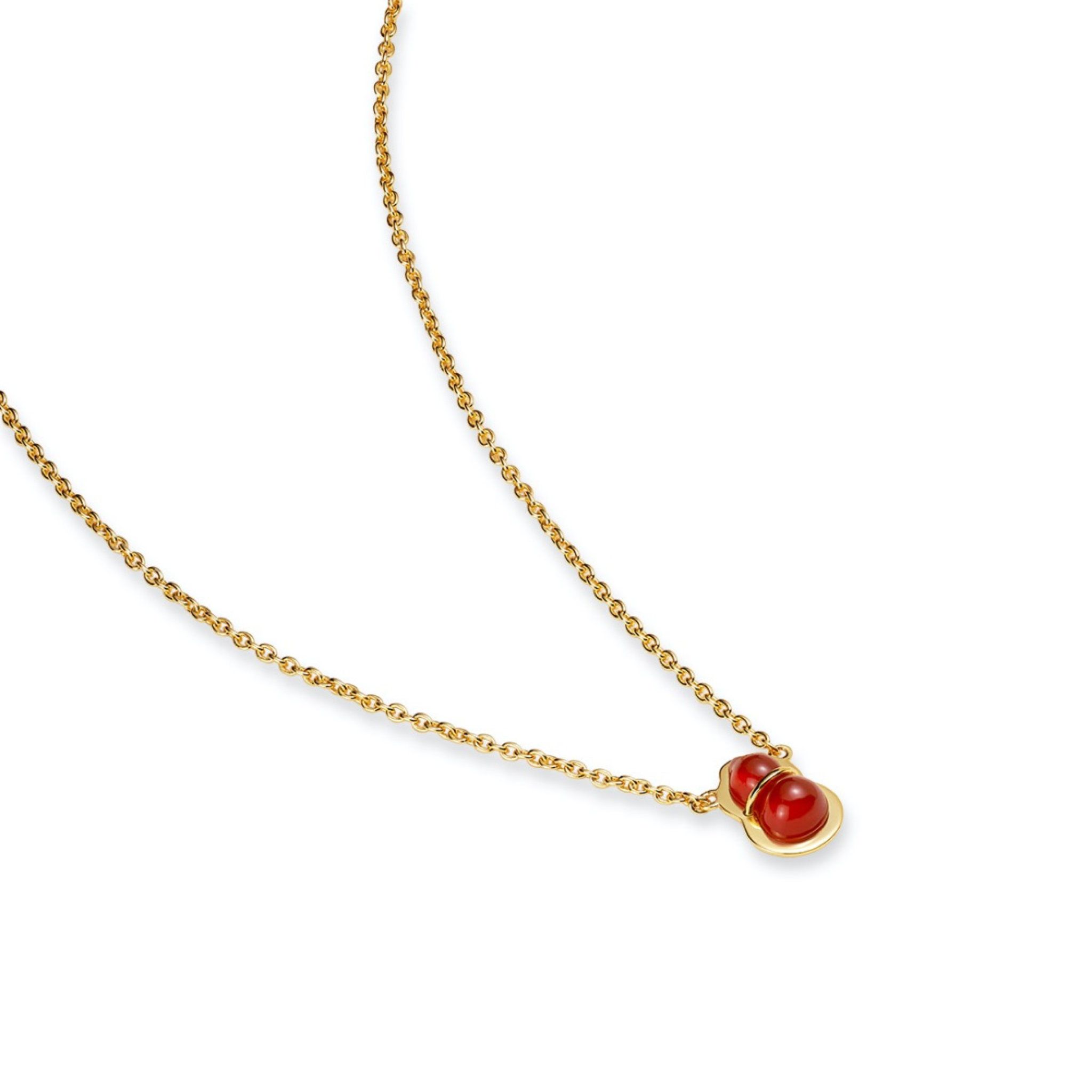
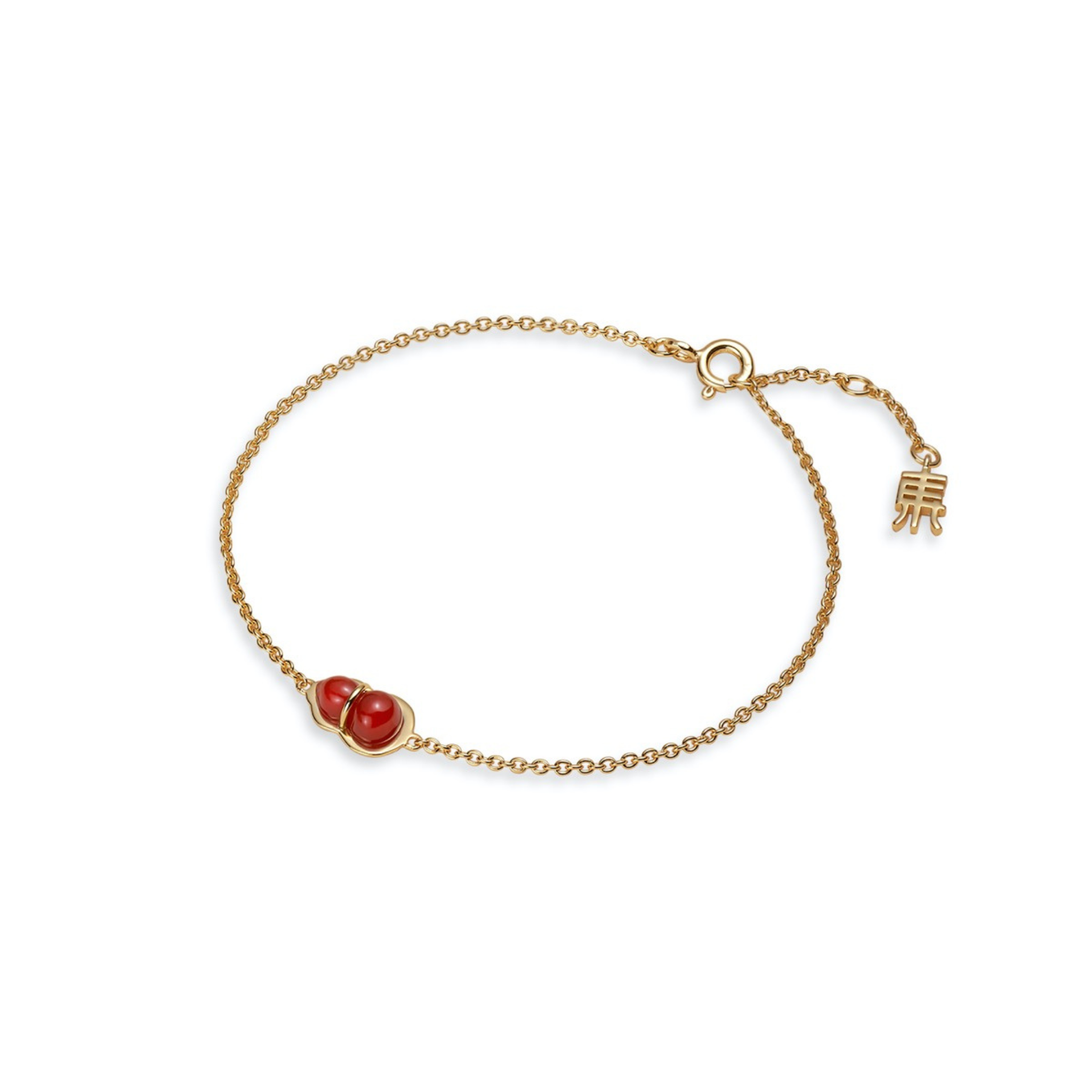
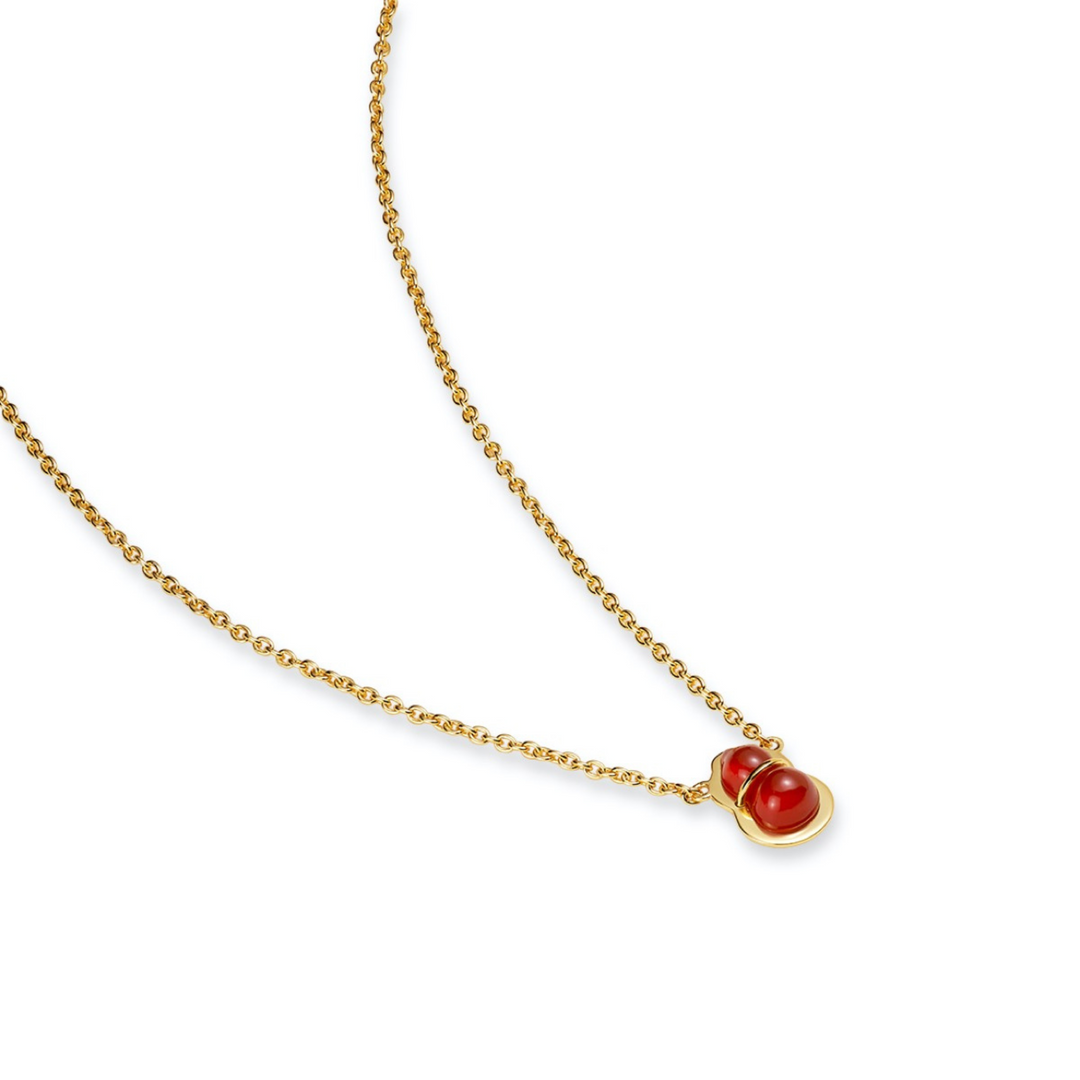
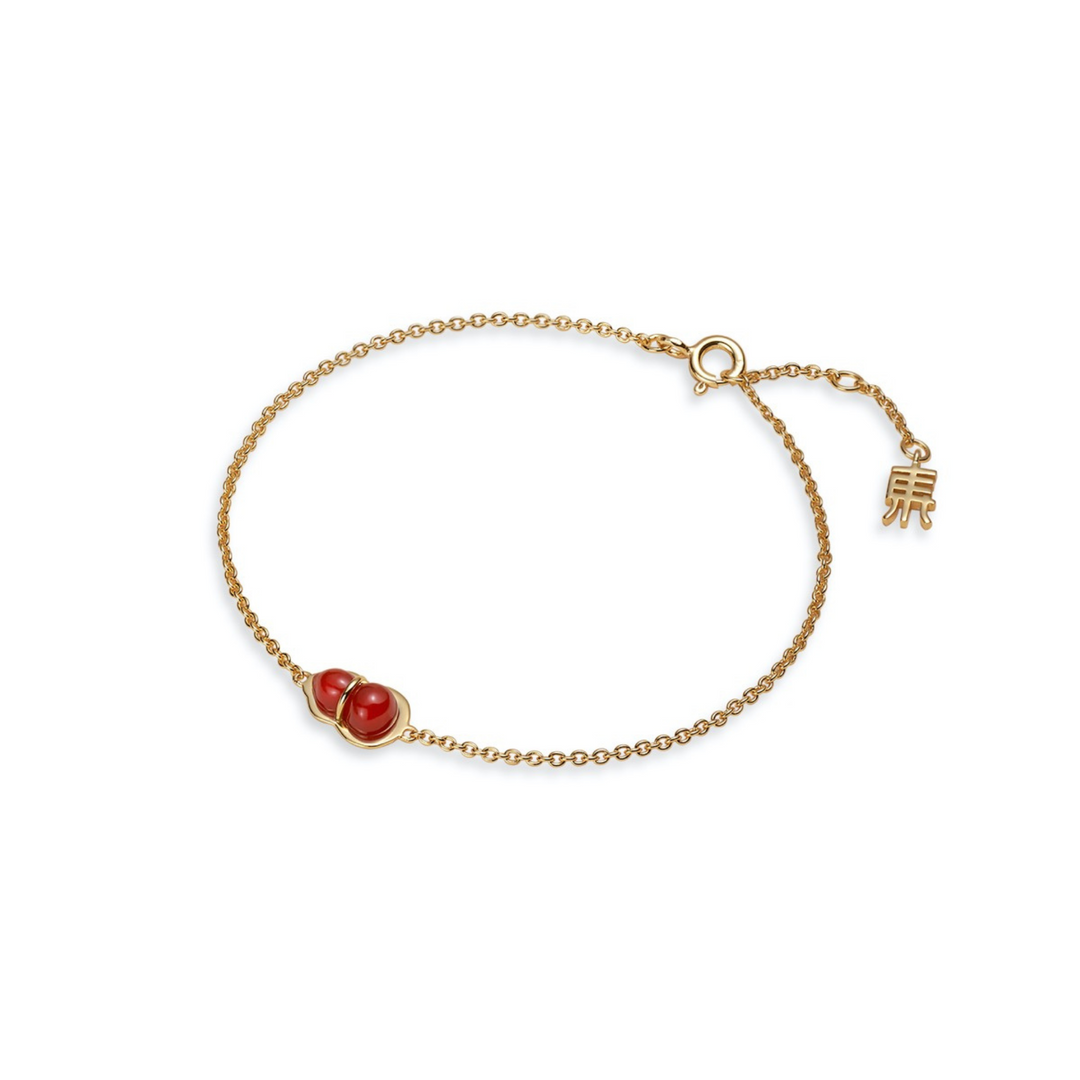
The Hulu (葫芦) is one of the most powerful symbols in Chinese culture. Its shape — two spheres joined together — represents heaven and earth united. For over 3,000 years, the hulu gourd has been worn as a talisman for good fortune and protection.
The Hulu Collection at Amoy reimagines this ancient symbol in jade and gold — small, dainty pieces that carry 3,000 years of cultural heritage in a modern, minimalist design. Each piece comes in the signature Amoy gift box with the jade stone of your choice.
Shop the Hulu Necklace →
Shop the Hulu Bracelet →
Cultural Jewelry Traditions Around the World
Indian Jewelry: Gold, Symbols, and Ceremony
Indian jewelry is perhaps the most ornate cultural tradition in the world. Gold is central — it represents Lakshmi, the goddess of wealth and prosperity. Key symbols include the mangalsutra (a necklace symbolizing marriage), the nath (a nose ring symbolizing purity), and the payal (anklets that ward off evil).
Native American Jewelry: Turquoise and Silver
Native American jewelry — particularly from the Southwest — features turquoise set in silver. Turquoise represents protection, healing, and connection to the earth. Each tribe has distinct styles: Navajo silverwork, Hopi overlay, Zuni inlay.
African Jewelry: Beadwork and Gold
African jewelry traditions are incredibly diverse. Maasai beadwork uses color symbolism — red for bravery, blue for energy, green for the land. Ashanti gold weights were once used as currency and carry proverbs. African jewelry often tells stories through patterns and materials.
Celtic Jewelry: Knots and Spirals
Celtic jewelry features intricate knotwork — the endless knot (no beginning or end) represents eternity and interconnectedness. The Claddagh ring (heart, hands, and crown) represents love, friendship, and loyalty.
Japanese Jewelry: Minimalism and Nature
Japanese jewelry tends toward minimalism — clean lines, natural materials, and a focus on craftsmanship. The cherry blossom (sakura) represents the beauty and brevity of life. Jade and pearls are both significant in Japanese culture.
How to Wear Cultural Jewelry Respectfully
Wearing cultural jewelry from a tradition that isn't yours can be meaningful — but it requires respect. Here's how to do it right:
- Learn the meaning: Know what the symbol represents before you wear it. Don't wear something you don't understand.
- Buy from authentic sources: Support brands and artists from the culture the jewelry represents. Avoid mass-produced copies.
- Wear it with intention: Don't treat cultural jewelry as a costume accessory. Wear it because you connect with its meaning.
- Share the story: When someone compliments your jewelry, tell them what it means. That's how cultural traditions stay alive.
Cultural Jewelry as a Gift
Cultural jewelry makes the most meaningful gifts because it carries intention. When you give a jade pendant, you're not just giving a necklace — you're giving 5,000 years of meaning. You're saying "I wish you fortune, protection, and health."
The best cultural jewelry gifts are specific to the recipient:
- For a birthday: A jade pendant — the traditional Chinese birthday gift, meaning good fortune
- For a wedding: A jade bracelet — representing purity, fidelity, and a long marriage
- For a new beginning: A Hulu gourd pendant — fortune and protection for a new chapter
- For your mother: A jade piece that connects her to generations of women before
Every Amoy piece comes in our signature magenta gift box with black velvet interior — the presentation matches the meaning. Use code GIFT10 for 10% off your first order + free shipping on orders over $125.
Why Cultural Jewelry Matters Now
In a world of mass-produced fast fashion, cultural jewelry represents something different. It's not disposable. It's not seasonal. It's not interchangeable with a hundred other pieces on Instagram.
Cultural jewelry carries meaning that transcends trends. A jade pendant worn today carries the same symbolism it carried 3,000 years ago. The Hulu gourd meant fortune and protection in ancient China — and it still does today. That kind of permanence is rare in modern life.
When you wear cultural jewelry, you're not just accessorizing. You're participating in a tradition that stretches back thousands of years. You're wearing meaning. And in a world that often feels meaningless, that matters.
From the blog
View all


Leave a comment