


Jade Jewelry Meanings: What Each Symbol Represents in Chinese Culture
Jade jewelry isn't just beautiful — it carries 5,000 years of meaning. But what does each piece actually symbolize? Here's your guide to jade jewelry meanings, from the most common symbols to the most powerful.
What Does Jade Mean?
In Chinese culture, jade symbolizes five core qualities:
- Virtue: Jade is the physical manifestation of moral integrity. Confucius said jade embodies eleven virtues — wisdom, justice, humility, sincerity, loyalty, and more.
- Protection: Jade is believed to absorb negative energy (qi) and protect the wearer from harm. "If the jade breaks, it has absorbed a danger meant for you."
- Fortune: The green color of jade represents growth, renewal, and prosperity. Jade attracts good luck.
- Health: Jade is said to balance the body's energy and promote longevity. The stone is cool to the touch — soothing and grounding.
- Heritage: Jade is passed between generations. A grandmother's jade bracelet becomes a mother's, then a daughter's — each piece carrying the history of the women who wore it.
Jade Pendant Meanings by Shape
The shape of a jade pendant determines its specific meaning. Here are the most common shapes and what they represent:
Hulu (Gourd) — Fortune & Protection
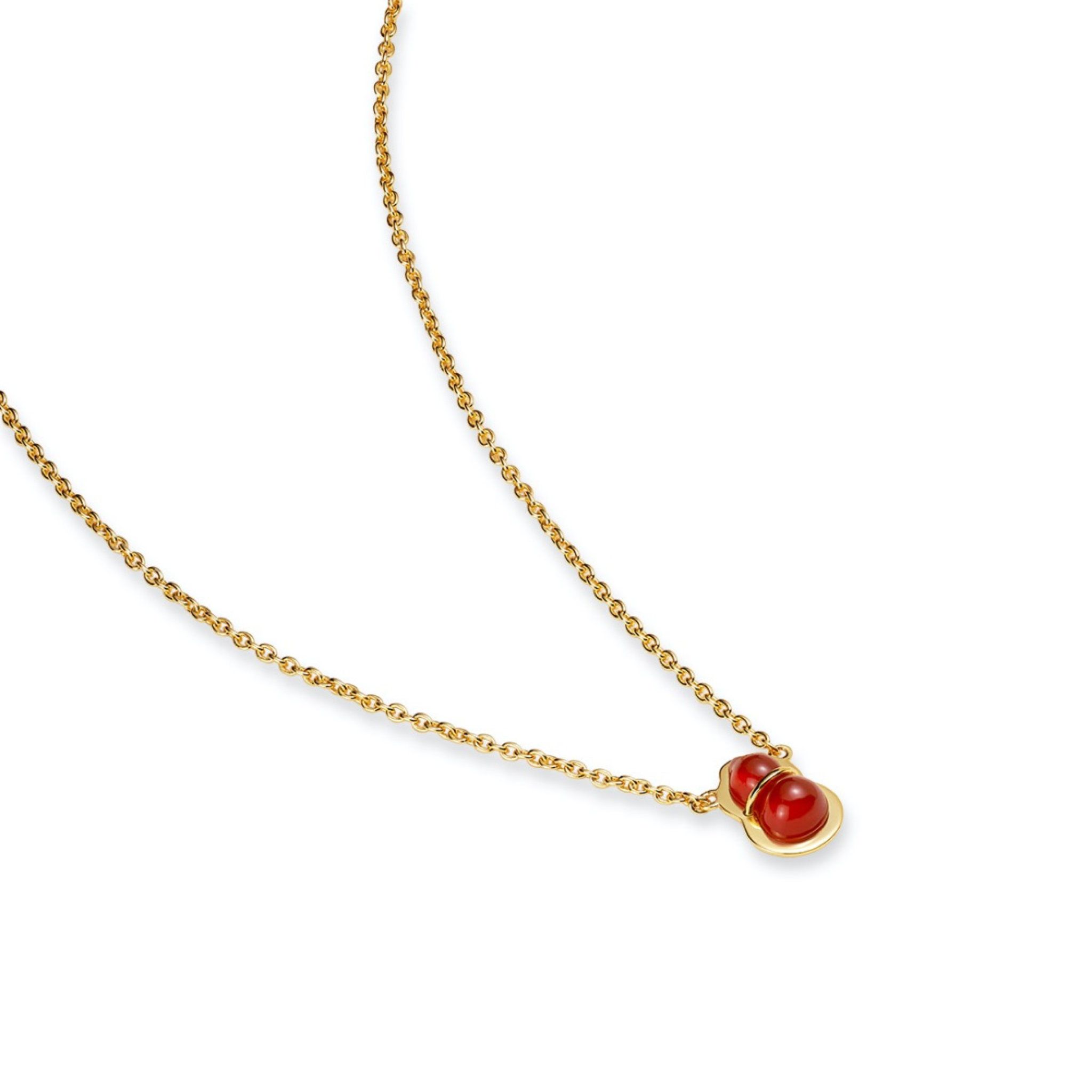
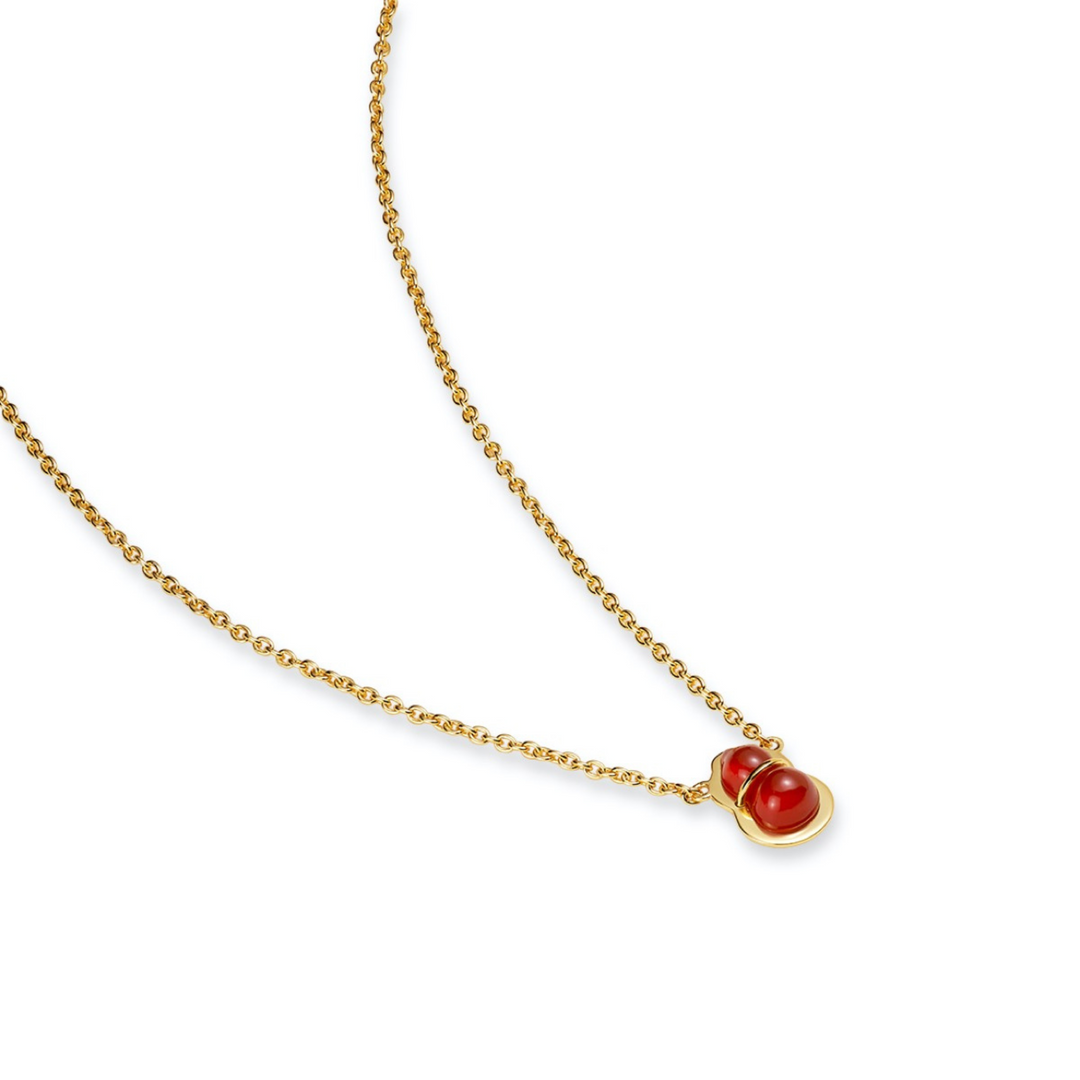
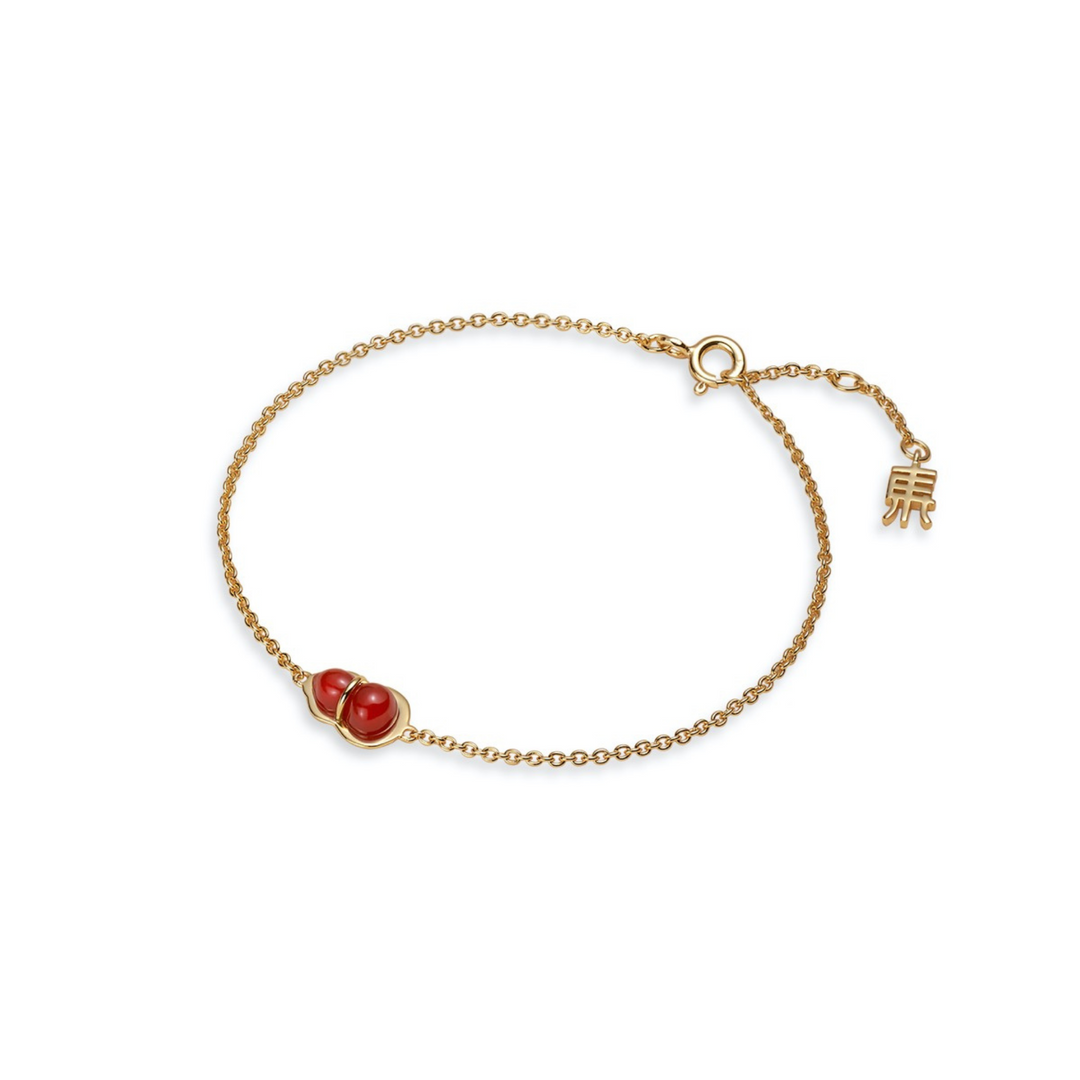
The Hulu (葫芦) is one of the most powerful symbols in Chinese culture. Its shape — two spheres joined together — represents heaven and earth united. For centuries, the hulu gourd has been worn as a talisman for good fortune, protection against negative energy, and blessings of health.
Lotus — Purity & Enlightenment
The lotus rises from mud but blooms clean and beautiful — the ultimate symbol of purity in Buddhist tradition. A jade lotus pendant represents spiritual growth and the ability to rise above difficulties with grace.
Dragon — Power & Strength
The dragon is the most imperial symbol in Chinese culture. Unlike Western dragons (which are destructive), Chinese dragons are benevolent — bringing rain, prosperity, and power. A jade dragon pendant represents strength, authority, and good fortune.
Phoenix — Grace & Renewal
The phoenix (fenghuang) is the feminine counterpart to the dragon. It represents grace, beauty, and renewal — rising from ashes to be reborn. A jade phoenix pendant is traditionally given to women as a symbol of elegance and resilience.
Pi Disc — Heaven & Eternity
The Pi disc (璧) is a flat jade disc with a hole in the center. It's one of the oldest forms of Chinese jade — used in ceremonies for thousands of years. The circular shape represents heaven, while the square hole represents earth. A jade Pi disc symbolizes eternity and the cycle of life.
Buddha — Peace & Contentment
A jade Buddha pendant represents inner peace, contentment, and spiritual enlightenment. It's often given as a gift to someone going through a difficult time — a reminder to find calm within.
Jade Color Meanings
Jade comes in many colors, each with its own significance:
| Color | Meaning |
|---|---|
| Green | Growth, renewal, vitality, prosperity — the most traditional and prized |
| Red | Passion, vitality, courage — rarer than green, often used for statement pieces |
| Lavender | Spirituality, inner peace, intuition |
| White | Purity, calm, clarity — the color of scholarly contemplation |
| Black | Protection, grounding, strength |
| Yellow | Wealth, abundance, imperial power — once reserved for the emperor |
Jade Bracelet Meanings
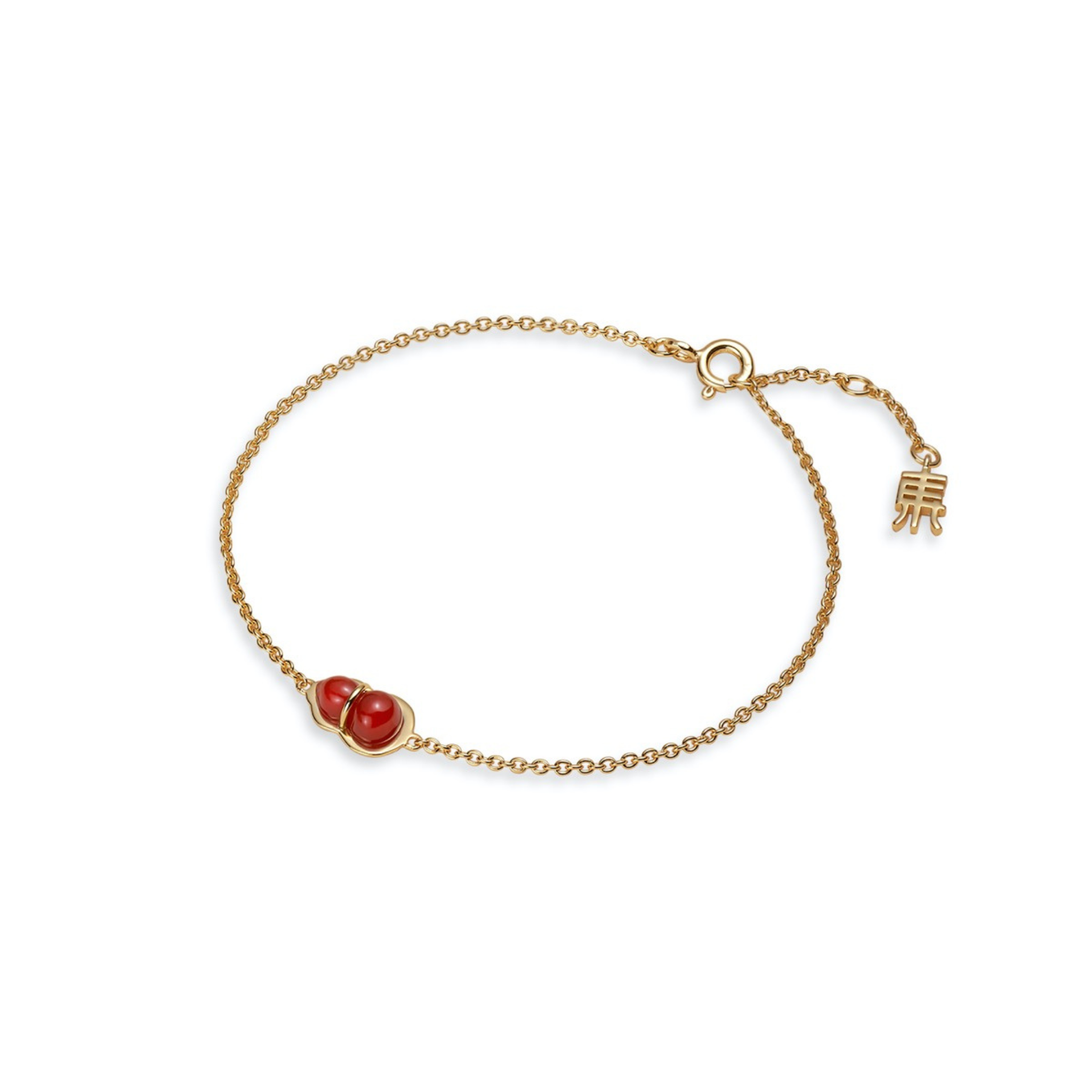
Jade bracelets are traditionally given by mothers to daughters and passed between generations. A jade bracelet represents:
- Protection: Worn on the wrist, a jade bracelet is believed to guard against negative energy
- Fortune: The circular shape represents completeness and never-ending good luck
- Heritage: A jade bracelet connects the wearer to the generations of women who wore it before
- Health: Jade against the skin is said to balance the body's energy and promote longevity
Jade Earring Meanings
Jade earrings bring the stone's protective energy to a subtle, everyday form. Small jade studs or drops are perfect for daily wear — meaningful but not ostentatious. Jade earrings represent quiet strength and understated virtue.
Jade Ring Meanings
A jade ring represents commitment — not just to a person, but to the qualities jade embodies: virtue, protection, and good fortune. Jade rings are often given as friendship rings or self-gifts — a daily reminder of the qualities you want to embody.
Who Should Wear Jade?
Traditionally, jade is given by family members — a mother to a daughter, a grandmother to a granddaughter. But jade is for everyone. You don't need to be Chinese to appreciate its meaning.
If you value: - Meaning over trends - Heritage over novelty - Protection and fortune in your daily life - Jewelry that tells a story
...then jade is for you.
How to Use Jade's Meaning in Daily Life
Wearing jade isn't just about the stone — it's about what you want to attract. Here's how to use jade's symbolism intentionally:
For protection: Wear a jade pendant close to your heart. The stone is believed to absorb negative energy before it reaches you.
For fortune: Wear jade on your wrist (bracelet) or as a ring. The circular shape represents never-ending good luck.
For calm: Hold your jade pendant in your hand during stressful moments. The cool, smooth surface is grounding.
For heritage: Pass jade between generations. A piece given by your mother carries her energy. A piece given to your daughter carries yours.
Caring for Your Jade
Jade is durable — harder than steel — but it still needs care:
- Keep away from extreme temperatures
- Wipe with a soft, damp cloth after wearing
- Store separately from harder stones
- Avoid perfumes, lotions, and chemicals
- Remove before swimming or exercising
With basic care, jade jewelry lasts for generations — and becomes more beautiful with time.
Use code GIFT10 for 10% off your first order + free shipping on orders over $125.
From the blog
View all


Leave a comment